To mark the uploading of our latest draft history on Harwich and Dovercourt during WW2, VCH contributing editor Dr Andrew Senter has written this blog examining civilian morale during the conflict.
During the Second World War civilian morale on the Home Front was maintained by a variety of means. All denominations of the church played a role in maintaining spirits early in the war: the vicar of Dovercourt, Revd Herbert P. Statham, declared the war a ‘noble cause’; Revd Father Bernard Clay of the Catholic Church said that ‘people should pray still for the attainment of a just peace and protection’ and Methodist pastor, Revd J. Frederick Etchells, preached against ‘bitterness and hatred’. The church continued to play an important role in times of need: local churches participated in the first National Day of Prayer in 1940 and several further such observances were carried out during the war.
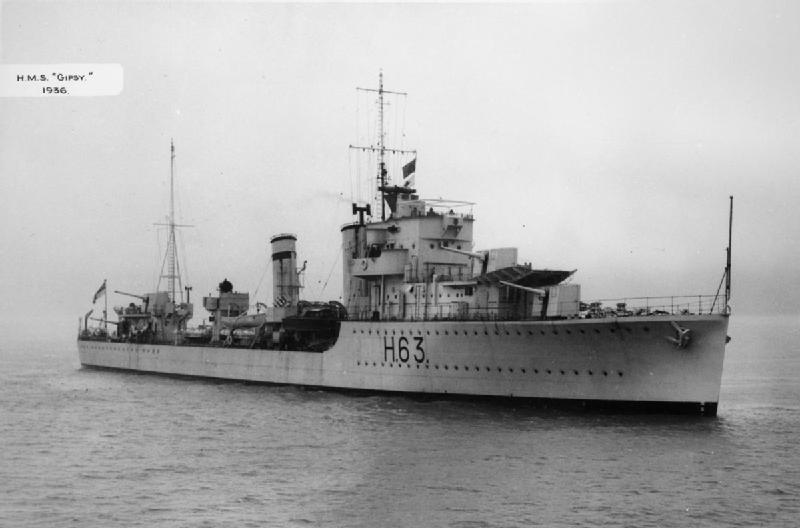
Soon the realities of war began to affect morale. One of the first local casualties was Stephen Keating, a Trinity House pilot who was reported missing when his steamer was torpedoed in the North Sea in October; he was buried in Dovercourt in December 1939. The mined ships Simon Bolivar and HMS Gipsy sank in November close to Harwich harbour and the explosion of the Terukuni Maru was witnessed from the seafront. In each case the survivors were landed at Harwich.
The air raids that took place from 1940 tested civilian morale. In Harwich, intelligence reports in May stated that air activity had ‘no effect on [the] population who are used to it’. However, one Dovercourt tradesman took his own life and was recorded at the inquest as having an ‘obsession that he would be bombed’. The more intense raids of 1941 brought further hardship and the first deaths though a contemporary ARP report from the raid of 25–26 February made a point of stating that morale was ‘good’. Shortly afterwards Revd Statham commented in the parish magazine that the crisis was bringing ‘closer comradeship’. The following year Revd Statham urged: ‘[w]hen you have something cheerful to say, say it. Otherwise keep quiet and smile’. In fact, many civilians reacted spiritedly during raids as in the case of the bombing of Warner’s holiday camp in Dovercourt in 1944, when dancers formed volunteer parties to aid casualties.
In 1943 the morality of certain war methods was debated in the local press, with Revd Statham questioning the Allied bombing policy and Councillors Thomas Bernard and Edward Auston, among others, defending the necessity. In a letter to the Harwich and Dovercourt Standard one local resident was troubled by the practice of children sticking savings stamps on bombs to be dropped on Germany as part of the ‘Wings for Victory’ campaign.
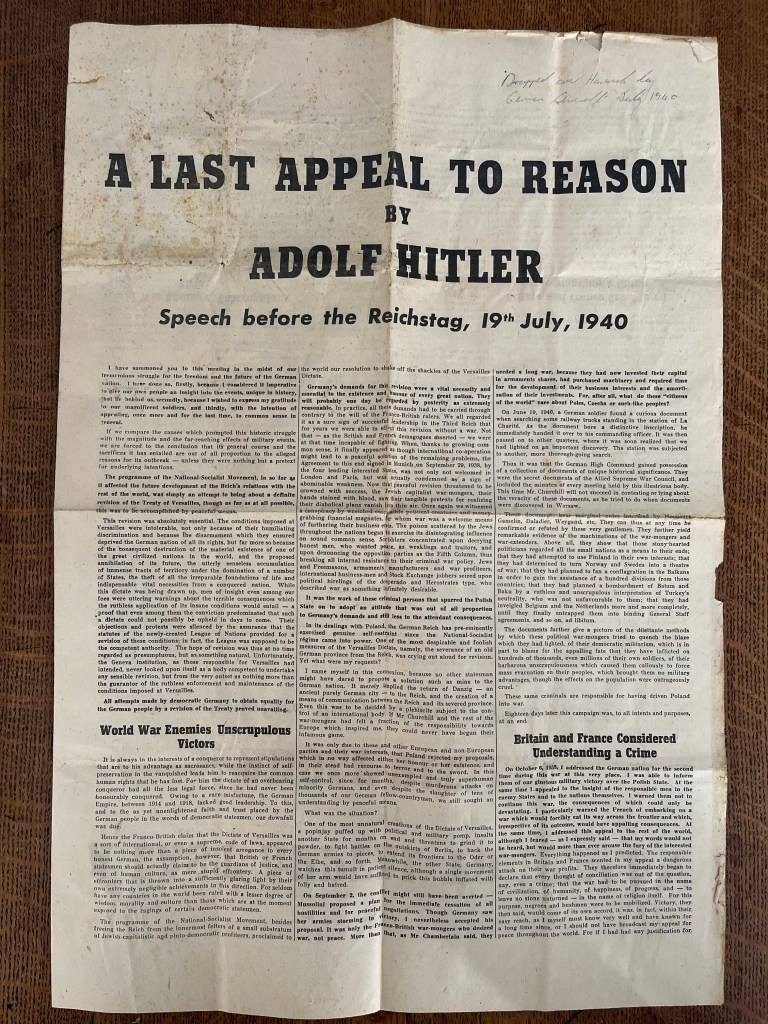
Civilians also participated in the propaganda war in other ways. When a newspaper titled ‘A last appeal to reason by Adolf Hitler’ was dropped over Harwich in July 1940, one former Dovercourt resident who had since moved to Scotland saw it as an opportunity to fundraise for the war effort by charging to view the material.
Local residents were regularly kept up to date in the newspapers with how the schoolchildren who had been evacuated to Gloucestershire and Herefordshire were faring. The newspapers also carried regular reports of the fate of servicemen abroad, particularly the whereabouts of captured prisoners after the fall of Singapore in February 1942. The Harwich and Dovercourt Standard also told of the case of Phyllis Argall, daughter of Dovercourt pastor C. B. K. Argall, who was a journalist in Tokyo. In 1942 she was arrested on trumped-up charges of betraying secrets and only escaped a sentence of 18 months’ hard labour through diplomatic exchanges. The full horror of war was brought home in 1945 in a letter to his parents from a local soldier who was present at the liberation of a concentration camp in Germany, describing the ‘skeletons just covered with skin’ as a ‘sickening sight’.
A number of local men successfully registered as conscientious objectors at the East Anglian tribunal in Cambridge, including in 1940 Methodist preacher, William Barker, and Plymouth Brethren member, John Carter, both from Dovercourt. Local attitudes to these cases were not recorded.

